When a Town Still Says Your Name: Six Surname Trails Worth a Weekend
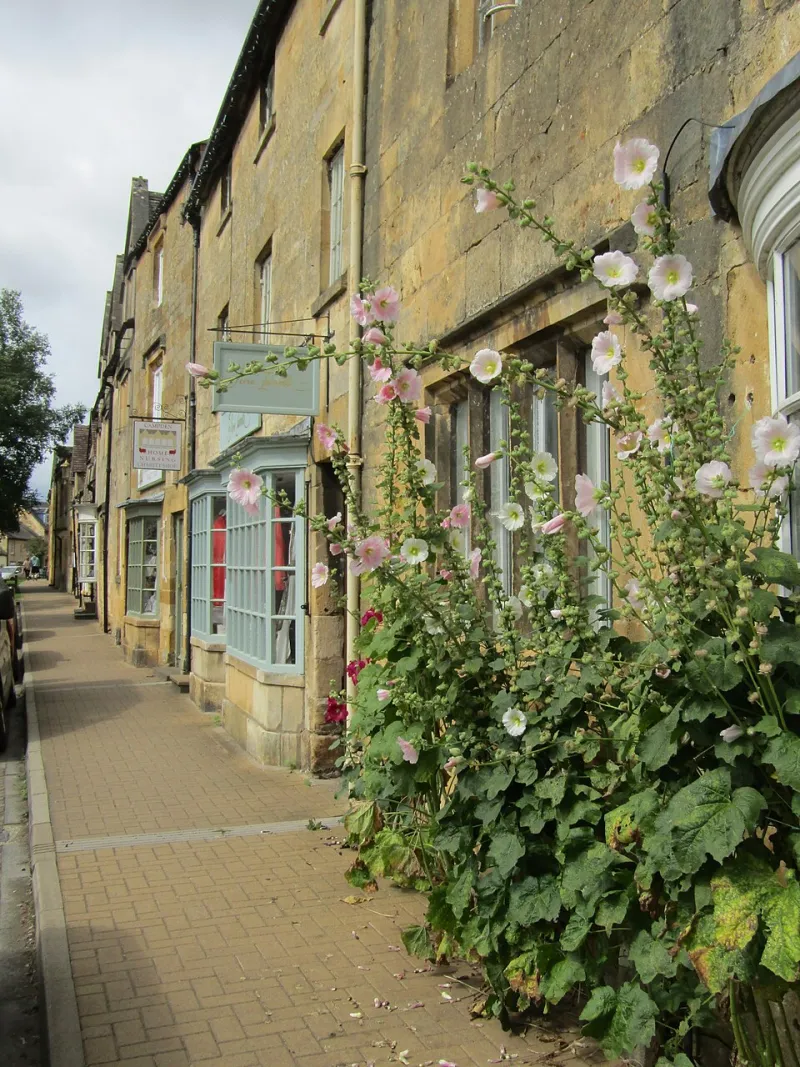
Photo: Colin Smith , CC BY-SA 2.0, via Wikimedia Commons
Most of us begin with a name and a hunch. A great-grandfather from somewhere in the Midlands, a photograph with a shopfront behind it, a half-remembered line about 'the town we came from'. Hunches rarely survive contact with a map. What they need is something to push against — and market towns are unusually good at that, being small enough to walk in a morning and old enough to have kept their paperwork.
Here are six where surnames are still legible in the fabric of the place. Treat them as starting points rather than proof. A name etched above a door is an invitation to go and check, nothing more.
Begin with the name, then let the town argue back
Before you book a train, do a dull but decisive piece of homework: was your surname ever common in that county? Surname distribution maps built from the 1881 census are free and quick, and parish register indexes will tell you whether a name clusters in one deanery or is scattered thinly across half of England. A name being thick on the ground in a town is not evidence of your family. A name being entirely absent from the county in 1881 is a useful warning that you may be chasing the wrong county entirely.
Six towns where the name stuck
Chipping Campden, Gloucestershire — Grevel and Dover
Grevel House on the High Street was built for William Grevel, a wool merchant, in the 1380s, and his memorial brass is still in St James's Church. Then, up above the town, there's Dover's Hill, named for Robert Dover, who ran the Cotswold Olimpick Games from around 1612 — a surname that attached itself to a landscape rather than a building. Worth knowing: Grevel is vanishingly rare today. If you are a Greaves or a Greville, resist the pull of the obvious.
Wymondham, Norfolk — Kett
Kett's Oak, on the edge of town, is associated with Robert Kett and the gathering that became the 1549 rebellion. Kett is still a familiar name locally, and the parish registers are held at the Norfolk Record Office. The caution here is folk memory: a rebel leader draws descendants from all over, and a shared surname is a thin thread. Check the registers before you claim a rebel in the family tree.
Alnwick, Northumberland — Percy
The Percy Tenantry Column was put up in 1816 by the Duke's tenants, and the Percy name runs through the castle, the church monuments and half the town's signage. Note what kind of name it is, though. Here the surname on the stone belongs to the landlord. Your ancestor is far more likely to appear in the estate rentals and tenant lists than in the family vault — which is, in its own way, a better document to find.
Barnard Castle, County Durham — Bowes
The Bowes Museum was founded by John and Joséphine Bowes and opened in 1892, and the village of Bowes, with its castle, sits a few miles west. Bowes is a place-name that became a surname, which means thousands of people share it without sharing a scrap of descent. County Durham Record Office and the museum's own archive are the places to test the link properly.
Ludlow, Shropshire — Palmer
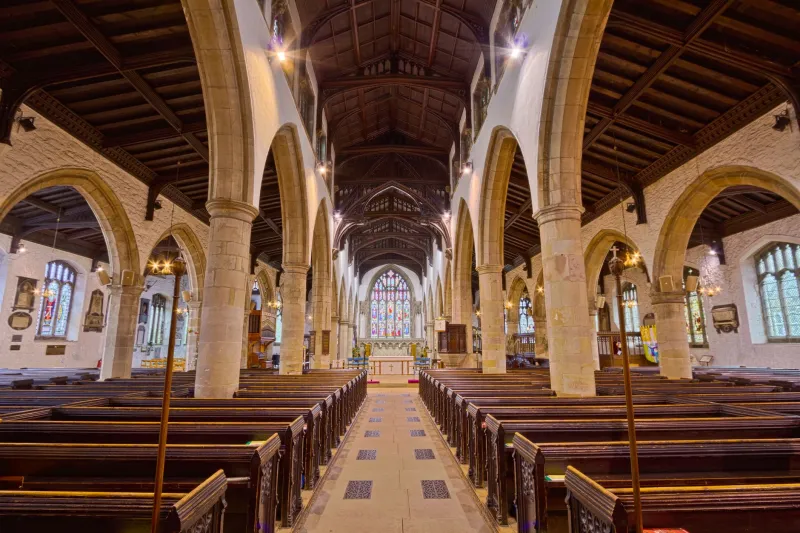
The Palmers' Guild was a medieval religious guild of pilgrims, and its Palmers' Window survives in St Laurence's Church. 'Palmer' originally described someone who had returned from pilgrimage to the Holy Land, so it is a descriptive name with countless unrelated bearers. That is precisely why it appeals: the guild kept membership records, so you can test a named individual rather than a vague family tradition.
Ashby-de-la-Zouch, Leicestershire — Zouch
The town takes its name from the La Zouche family, who held the manor from the thirteenth century. Every signpost in the place says the name out loud. But the male line died out centuries ago, which makes this the honest coincidence case: a surname fossilised in a place name is a piece of local history, not a genealogy.
What to ask for at the record office
Email or ring ahead — several small offices are appointment-only, and some close for lunch in a way that will catch you out. Ask for parish registers, the tithe map and its apportionment (which names every occupier of every field), the enclosure award, trade directories such as Kelly's, electoral rolls and cemetery registers. Most of these are indexed online, but the originals carry the extras: occupations, abodes, and the marginal notes that never made it into a database. Take a pencil. Many archives refuse pens, and a reader's ticket usually needs photo ID.
Read the churchyard sideways
Don't make straight for the grandest monument. Look at rows instead — a cluster of one surname within a single decade, a run of children's names, the phrase 'of this parish' doing quiet work. Photograph whole rows rather than single stones and transcribe them later at home with a cup of tea. Local family history societies have often indexed the churchyard already, and their transcripts will save you an hour of squinting.
The pub test
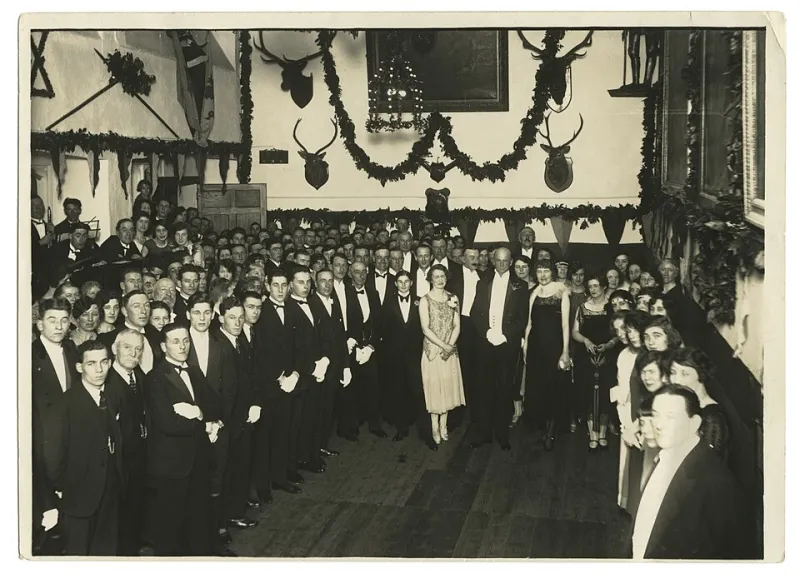
Old photographs behind the bar are an underrated archive, and landlords' names over the door often predate the brewery's ownership. Ask whoever is pulling pints on a quiet afternoon; in towns like these, the person who knows which family lived where is frequently standing right there. Do bear in mind that plenty of pub names follow national fashion rather than local families — the Red Lion tells you nothing about anyone.
Telling a real link from a coincidence
Four checks, in order. First, continuity: does the surname appear in the same parish across several generations in the registers? Second, consistency: do the occupations and abodes match the story you were told? Third, the chain: can you work backwards from a known ancestor, document by document, without a leap of faith? Fourth, the stranger test — would you bet a tenner on it in front of someone sceptical? DNA cousin matches can corroborate a theory; they cannot replace the paper.
Building the weekend
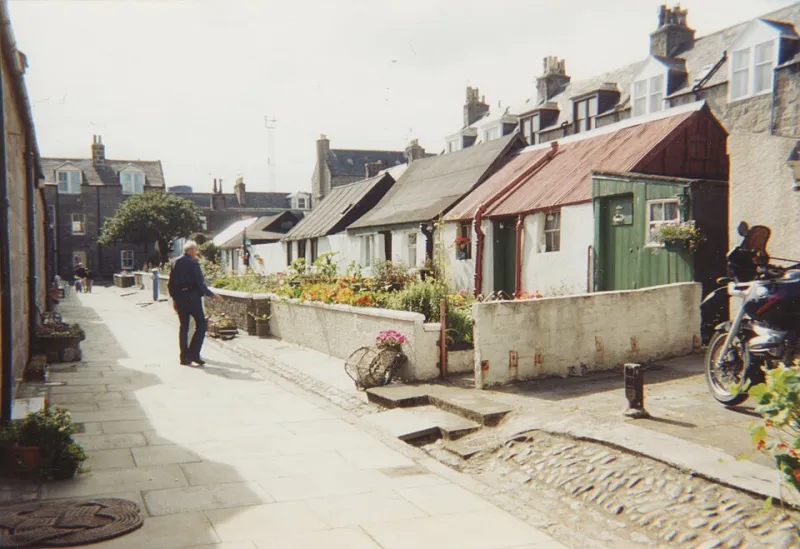
Aim for two nights. Give the archive a morning, the church an hour, the local museum another, and leave the afternoon for the edge of town, where the labourers' cottages and the newer housing estates sit — that is usually where your people actually lived, not the Georgian frontage you came to photograph. Eat lunch somewhere with a wall of old pictures. Walk the same street twice, once looking up at the rooflines and once looking down at the doorsteps.
The town will not confirm you. If you're lucky, it will hand you better questions — and that is worth the train fare.