A Seat of One's Own: Six Chapel Interiors That Still Carry Family Names
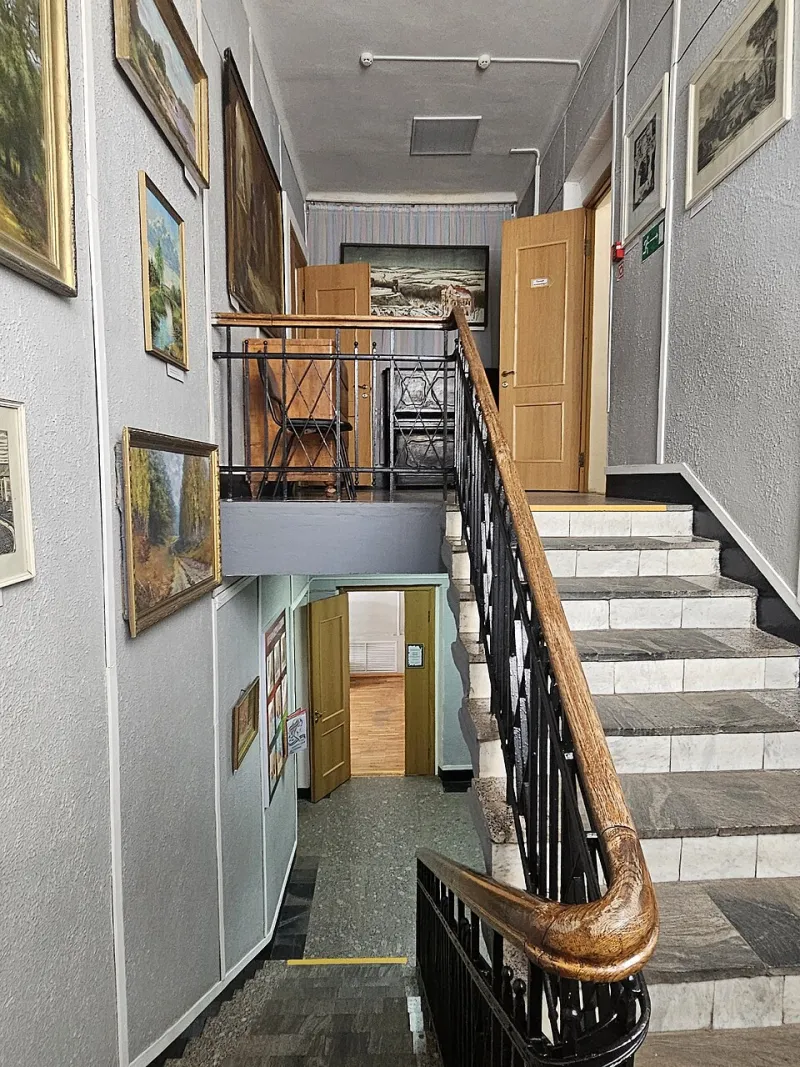
Photo: Tess Mattew, CC BY-SA 4.0, via Wikimedia Commons
There is a particular kind of quiet in a nonconformist chapel. No towering reredos, no saints in stained glass, often just a plain box of a room with galleries, a pulpit and rows of pews. And yet, for family historians, that plainness can be gold. A named seat, a pencilled pew number, a subscription of a few shillings in an old account book: these are the small traces of ordinary dissenting families who paid for a place to sit, listen and belong.
This is not a guide to grand cathedrals. It is a guide to chapels where the interior itself can act like a document. Records vary enormously, and not every chapel has a neat name board waiting for you. But the six starting points below are the sort of places where pew plans, seating books and congregational accounts have survived, or where the building still makes the old arrangements legible. Always check opening times and record availability before making a trip.
Why a Pew Was Never Just a Pew
In many nonconformist congregations, seating was tied to money and status. Pews could be rented, bought or allocated according to subscription. A family might pay annually for a particular seat, or a wealthier member might fund a block of seats for the poor. The result is a paper trail: pew rent books, seat plans, subscription lists, trustees' minutes and account books. For a family historian, these can place your ancestors in a specific spot on a Sunday, not just in a parish register.
The reflective bit is this: a named pew tells you about belief, but also about belonging. It says who was trusted with a key, who paid the minister's stipend, who sat near the front and who was tucked up in the gallery. It can reveal a family's modest rise, a business connection, a falling-out, or a long loyalty across generations. Sometimes the most revealing fact is not that your ancestor had a seat, but that they stopped paying for it.
1. Cross Street Chapel, Manchester
Cross Street Chapel is a Unitarian congregation with roots deep in Manchester's history, and its records are the kind that reward a slow read. The chapel's archives have been deposited in major Manchester collections, including the John Rylands Library and Manchester Archives. Pew plans and seating records for historic nonconformist congregations often survive in this sort of collection, even when the building itself has been rebuilt.
The practical move is to search the online catalogues before you visit. Look for the chapel name plus terms such as 'pew', 'seat', 'subscription' and 'accounts'. Then contact the archivist with a specific name and rough date range. Volunteer archivists are usually far more helpful when you can say, 'I am looking for John Seddon, a joiner, around 1840' rather than 'Do you have anything on my family?'
2. Upper Chapel, Sheffield
Upper Chapel is another historic Unitarian foundation, and Sheffield's nonconformist records are scattered across local archives and special collections. The chapel interior still gives you the grammar of the thing: galleries, box pews, a central pulpit. Even if the original seat plan is not on display, a surviving plan in the archive can be read against the building.
Ask the volunteer on duty whether there is a seating plan, a pew rent book or a list of seat holders. If the answer is no, ask where the congregation's older records went. Chapel archives often travelled to county record offices, university libraries or the national Discovery catalogue. A polite follow-up email is part of the research.
3. Bunyan Meeting, Bedford
Bunyan Meeting has the advantage of a strong visitor welcome and a long Baptist story. The church book and later records can help place families in the congregation, while the building itself makes clear that nonconformist worship was often about gathering rather than spectacle. Pew allocations and subscriptions may appear in trustees' minutes or account books rather than in a single glamorous document.
When you visit, look for name boards, memorial tablets and any display about the chapel's history. Then ask what is held on site and what is held elsewhere. Do not expect to be handed a folder of original manuscripts on a Saturday afternoon. Do expect to leave with a better set of search terms.
4. Saltaire United Reformed Church, Shipley
Saltaire is a model village with a famous mill, but the chapel is a useful reminder that nonconformity and industrial paternalism could sit side by side. The United Reformed Church in Saltaire was built by Titus Salt, and its interior retains a strong sense of ordered seating. For family historians, the surrounding village records and chapel accounts can show how a family's working life and worship life overlapped.
Look for subscription lists and seating records in the context of the village's wider archive. A pew in a place like Saltaire was never just a religious choice; it was also a social position in a company town. That can be uncomfortable to find, and useful to understand.
5. The Octagon Chapel, Norwich
The Octagon Chapel is a striking Unitarian building in Norwich, and the city has exceptionally rich nonconformist archives. Norwich's local studies library and record office are the sort of places where you can spend a wet Tuesday following a family through chapel accounts, pew rents and subscription lists. The chapel itself is a reminder that nonconformist architecture could be confident without being ornate.
Before you go, use the Norfolk Record Office catalogue and the National Archives Discovery tool. Search for the chapel name and for the family surname. If you find a reference, email ahead and ask whether the item can be produced on the day. Volunteer archivists appreciate a clear request, and they can often tell you whether a document is likely to mention seats at all.
6. Lewin's Mead Chapel, Bristol
Bristol's nonconformist history is layered and complicated, and Lewin's Mead is one of its historic Unitarian sites. The chapel's story includes rebuilding, changing congregations and the familiar problem of records moving between denominations and archives. That makes it a good case study in persistence. If the obvious chapel records are thin, look at the wider collection: family papers, business records, estate accounts and burial ground registers can all mention a seat or a subscription.
A visit here is less about finding a single labelled pew and more about reconstructing a congregation. Ask the local studies library what survives for the chapel, then work backwards through the names on a seat plan or account book.
How to Read a Pew Plan
Start with the obvious: the date, the building layout and the names attached to each seat. Then ask what the names have in common. Are they clustered by family, trade or street? Is there a block of seats marked 'free' or 'for the poor'? Does a surname appear for twenty years and then vanish? That disappearance may be a death, a move, a bankruptcy or a dispute.
Cross-check the names against census returns, trade directories and wills. A pew rent payment is a small fact, but small facts anchor people to places. If your ancestor was a shoemaker who rented seat 14 in the gallery, you have something better than a name and a date: you have a Sunday.
Before You Travel
Ring or email ahead. Ask three questions: what records do you hold, do I need an appointment, and is there a volunteer who knows the chapel's history? Check the National Archives Discovery catalogue, the county record office and any denominational archive. The Baptist Historical Society, the Unitarian Historical Society and the United Reformed Church archives are all useful ports of call. Take a notebook, a pencil and a phone camera if photography is allowed.
And leave time just to sit in the chapel. A named pew is a document, but the room is evidence too. The gallery stairs, the worn floorboards, the impatient little door to the vestry: these are the everyday settings your ancestors knew. Origin Exploration is about tracing roots, and sometimes the root is a plain wooden bench with a number on it.