The Register and the Rugged Lane: Six Heritage Schoolrooms That Still Hold a Place for Your Family
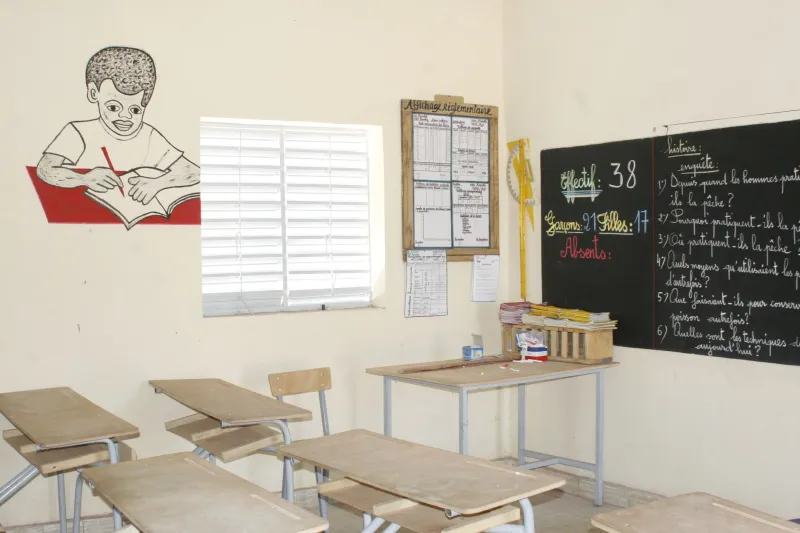
A school log book is not the most glamorous document in the archive. It smells of dust and old ink, and it rarely announces itself as a family treasure. But open one and you may find a name you know in a line about bad weather, a closed school, a child kept home to help with the harvest, or a teacher's quiet note in the margin. For anyone tracing roots, that is the good stuff: not just a surname in a census, but a person in a room on a particular day.
At Origin Exploration, we like ancestry with a walk attached. A village school gives you both. The building is often still there, the playground may have shrunk, and the lane to the church is probably the same lane your ancestor took with a slate under one arm. What follows is a practical guide to using school records, plus six heritage schoolrooms where the past is still, in a small way, in session.
Why a school log book is worth the trouble
School records come in several flavours. The log book is the headteacher's diary: inspections, attendance figures, epidemics, snow days, visits from the vicar, repairs to the roof. The admission register is the roll call you want for names, dates of birth, parents, addresses and previous schools. Attendance registers show who was in and who was off, often with a reason. There may also be managers' minutes, punishment books, letters and the occasional loose note slipped between pages.
The joy is in the detail. A log book might record that a child was absent because the family had moved, or that a father had returned from sea, or that a fever had shut the school for a fortnight. Margins are where the human bits hide: a teacher adding a married name, correcting a spelling, noting a family relationship, or recording that a pupil had left for work. None of it is guaranteed, and not every school kept every record, but when it works it places your ancestor in a specific classroom at a specific moment.
How to read a register without getting lost
Start with the catalogue, not the document. Contact the local record office before you travel and ask which school collections they hold for the village. Some log books are indexed; many are not. Order what you need in advance, and take a pencil and a camera if photography is allowed.
Read with patience. Log books are not novels; they are administrative diaries, and the interesting line may sit between a note about the boiler and a list of attendance percentages. Look for siblings, not just your direct ancestor. A brother's absence may explain a sister's. Note the teacher's name and any change of headteacher. Compare dates with birth, marriage and death certificates, census returns and gravestone inscriptions. If the school closed for a local fair or a funeral, that tells you something about the village calendar, too.
And do not ignore the margins. Teachers often used them for corrections, reminders or a quick note about a family. A name written in a different hand is worth following. So is a repeated surname that appears in the admission register, the log book and the churchyard.
Six schoolrooms to start with
1. Maestir School, St Fagans National Museum of History, Cardiff
A reconstructed Welsh rural schoolroom, complete with the kind of desks that made childhood feel like a penance. It is a gentle introduction to the schoolroom as a heritage space. For records, begin with St Fagans' library and the county archive for the school's original parish; Ceredigion Archives is the relevant starting point for Maestir's Carmarthenshire-Ceredigion border roots. Check opening details before you go.
2. The School at Beamish, County Durham
Beamish does the Victorian schoolroom with real conviction: rows of desks, a teacher's desk and the faint sense that a slate might be thrown. The wider museum is a good day out, but the family historian should pair it with Durham County Record Office, which holds school records for the region. Search the catalogue by village and school name before your visit.
3. Blists Hill Victorian Town, Ironbridge
The schoolroom at Blists Hill is a useful reminder that schooling and work were never far apart in industrial villages. Pair the visit with the Ironbridge Gorge Museum Library and Archives, where local and industrial records can add context. It is a good stop if your family moved between the Shropshire coalfield and the Severn Valley.
4. Ryedale Folk Museum, Hutton-le-Hole
This corner of North Yorkshire is full of small school histories, and the museum's village setting makes the past feel close. For documents, contact the North Yorkshire County Record Office. Ask specifically for log books and admission registers for the village your family came from, then allow time for the churchyard and the lane between the school and the green.
5. New Lanark, South Lanarkshire
New Lanark is a planned village with a strong educational story, and its schoolroom is a fine place to think about what schooling meant to families who worked in the mills. Start with the New Lanark Trust's own archive and South Lanarkshire Archives. The village walk itself is part of the research: the mill, the housing and the school all explain each other.
6. The schoolroom at the Ulster Folk Museum, Cultra
A visit here gives a sense of rural schooling across the water, and it is a useful reminder that family history in the UK is not one story. For records, the Public Record Office of Northern Ireland is the place to begin. Check what survives for the school and parish you are chasing; as ever, the catalogue is the map.
Turn the search into a village walk
Once you have a name and a date, build a walk around them. Start at the school, even if it is now a house. Look at the windows, the bellcote, the teacher's door, the wall that separated playground from road. Then walk to the church or chapel and read the war memorial and the older stones. Check the village shop, the pub and the old post office; surnames cluster in small places. Use an Ordnance Survey map to find footpaths your ancestor might have used, and resist the urge to peer through private windows. Heritage is best experienced with good manners.
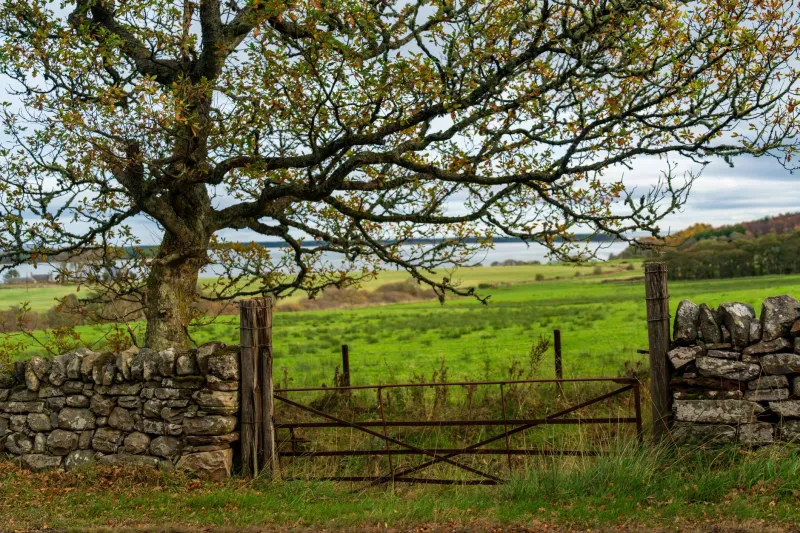
The walk does something an archive cannot. It gives you distance, weather and the shape of the land. A child who walked two miles to school in 1890 did not do it in the abstract. You can follow the same lane, more or less, and understand why the school log book complained about mud.
Before you go
In 2026, check opening days and archive appointment systems before travelling. Some records are held off-site; some are too fragile to produce without notice. Take identification, a pencil, and a notebook. Search The National Archives' Discovery catalogue and the local record office catalogue first. If you find a log book, read the ordinary weeks as well as the dramatic ones. The ordinary weeks are where your family probably lived.
A school register will not give you a whole life. It will give you a place in a room, a date, a teacher and maybe a note in the margin. That is often enough to start the walk.