The Back Page Had Their Name: Six Newspaper Archives for Reading an Ancestor's Small Print
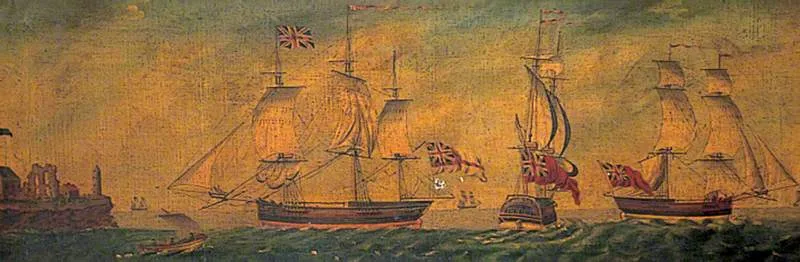
Photo: anonymous , Public domain, via Wikimedia Commons
Most family historians start with the big announcements. A birth column, a marriage notice, an obituary with a helpful list of nephews. Useful, certainly. But the smaller type on the same page often tells you more about how a family actually lived: who was selling up, who had lost a pig, who was thanking the neighbours after a funeral, who needed a boy to mind a shop.
Local newspapers were once the noticeboard of everyday life. And because they were printed weekly, they leave a paper trail that can be followed street by street. The trick is not to search only for a surname and stop at the first hit. It is to read the column around it.
Why the smallest notice can be the biggest clue
A three-line advert can pin an ancestor to a date, a trade and an address in one go. An auction notice for household furniture might name the street, the auctioneer and the pub where the sale took place. A lost-property column might describe a watch, a dog or a pocketbook, and reveal that your great-great-grandfather was walking a particular route on a particular day. A thank-you message from a family after a bereavement can list neighbours, chapel members and workmates who otherwise never appear in official records.
These notices are not just colour. They are evidence. They can tell you which shop someone kept, which pub they used for meetings, which school a child attended, or which part of town a family moved to when the rent went up. They can also explain a gap in the census: a family that disappears from one street may reappear in a auction notice two miles away.
Read the column, not just the name
Start with a digitised newspaper collection. The British Newspaper Archive is the obvious first stop, and many UK library services offer free access on their own computers. But treat the search box as a starting point, not an answer. Optical character recognition still struggles with tight columns, blurry type and old fonts. A name may be split across lines or read as something entirely different.
Try searching for a street name, a pub name, a trade, or a distinctive phrase such as 'to be let' or 'lost, on Tuesday'. Then read the whole column. Look at the adverts immediately above and below. Local newspapers often grouped notices by type, so a family firm might appear in a run of similar trade cards. Check the same page in the following week; adverts were frequently repeated, sometimes with corrections or extra details.
Street directories are the perfect companion. Once a notice gives you an address, check a directory for the same year to see who was listed there. Then check a map. A surprising number of small ads become a short walking route: the shop, the auction room, the chapel, the pub where the inquest was held.
Six places to follow a printed trail
The following settings are not just search rooms. They are places where a local newspaper collection sits alongside directories, maps and local studies staff who know the patch. Opening hours and access rules vary, so check before travelling.
British Library Newsroom, London. The national newspaper collection is the broadest starting point, and the Newsroom at St Pancras can supply physical copies and microfilm alongside digital access. It is a good place to compare a national title with a local one, especially when a small ad mentions a court case or a bankruptcy that was reported in more detail elsewhere.
Manchester Central Library Archives+. The local studies collection here is a strong base for the textile districts and the city's suburbs. Trade adverts, warehouse notices and auction sales in the Manchester press can be read alongside directories and maps. Step outside and the old commercial streets are still legible, even where the trades have gone.
Leeds Local and Family History Library. Leeds newspapers are rich in small notices about cloth, machinery and property. A notice for a mill sale or a room to let can be matched to a map and a walk through the calls and yards. The library's local studies staff can point you towards the right titles for a particular suburb or township.
Birmingham Library Archives and Collections. The city's newspapers carry endless small ads for the jewellery quarter, toolmakers and back-to-back housing. A trade card or a lost-property notice can be surprisingly specific about a workshop address. Pair it with a directory and a walk around the Jewellery Quarter, and the printed page starts to feel like a street plan.
Norfolk Heritage Centre, Norwich Millennium Library. Regional newspapers here are full of agricultural auctions, sales of livestock and thank-you notices from rural parishes. These are excellent for families who moved between farm, village and market town. The centre's local studies material can help you identify a farm or a market site that still exists in some form.
Mitchell Library, Glasgow. The local studies department holds newspaper material and directories that can trace a family through the city's streets, docks and suburbs. Shipping notices, auction sales and small trade adverts are particularly useful when a family member worked in transport or moved between rented rooms. The building itself is a good reminder that local studies libraries are heritage sites in their own right.
Turning a notice into a walk
Choose one small ad and build a short route around it. Note the address, the date and the type of notice. Check a street directory for the same year, then a map of the period. Look for the building if it survives, or the site if it does not. Take a photograph of the street today and compare it with the map. If the notice mentions a pub, a chapel or a school, add that to the route.
Auction notices are especially good for this. They often name the room where the sale took place, which might be a pub or an inn that still trades under the same name. Lost-property notices can be oddly moving: a watch, a shawl, a purse, a dog. Thank-you notices can lead you to a church or a chapel where the family gathered. None of these are grand heritage sites. That is the point.
Before you go
Check opening hours and whether you need a reader's card or a prior request for physical newspapers. Many archives allow photography without flash, but rules differ. Digital collections are wonderful for searching at home, but physical pages can reveal details that the scan missed: a handwritten amendment, a column rule, an advert that was cut out. Take a notebook and write down the full reference, not just the name. You will want to find the page again.
And give yourself time. The pleasure of newspaper research is not in the quick hit. It is in the slow read: the column of small type, the repeated phrase, the address that suddenly makes sense. Somewhere in the back pages, your ancestors were putting themselves in print for reasons that had nothing to do with posterity. That is exactly why they are worth reading.