A Bed for the Night, a Line in the Record: Six Coaching Inns for Reading a Journey
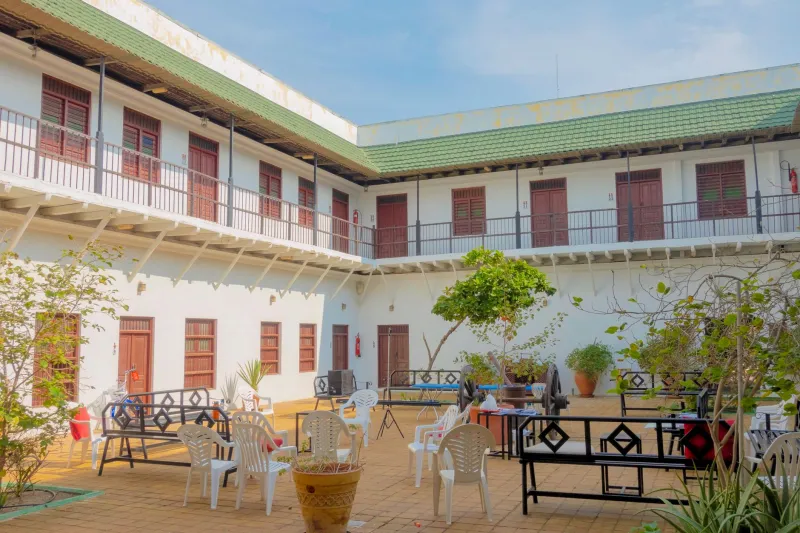
The coaching inn is easy to sentimentalise: lamplight, horses, a serving girl with a jug. But for family historians it is something more useful. It is a fixed point on a moving journey. If an ancestor travelled for work, emigration, a court case, a marriage or a market, the inn may be the one place where the paper trail and the physical road meet.
Guest books are the obvious prize, and they do survive — though rarely in the run you might hope for. More often the evidence is indirect: a victualler’s licence, a petty sessions entry, a newspaper notice about a coach service, a stable account, a borough rate book, an inquest held in the parlour. The trick is not to arrive expecting a signature. It is to arrive knowing what to ask, and to read the building as carefully as the documents.
What actually survives
Start with the local record office, not the hotel reception. Ask for victuallers’ recognizances and licences, which can name an innkeeper and the premises; petty sessions and quarter sessions rolls, which pick up offences, disputes and licences; borough and manorial records; and local newspapers, which carried coach timetables, sale notices and breathless reports of dinners and assemblies. If the inn was a post office or a mail coach stop, the postal history collection may help. If it had a bowling green, a assembly room or a race meeting nearby, the notices get richer.
Guest books, where they exist, often date from the later Victorian or Edwardian period, when signing became a leisure habit rather than a routine. That does not make them useless. A name, a home town and a date can still place a family member on a journey, especially if the inn was near a station, a port or a market. Just be honest about what the book is: a visitor record, not a census.
Six coaching inns to read slowly
The George Inn, Southwark, London
A galleried coaching inn yard in the middle of London, now in the care of the National Trust. The George is a good place to begin because the road outside tells half the story: borough High Street, the approach to London Bridge, the old inns of Southwark. For ancestors arriving from Kent, Sussex or Surrey, or leaving for the coast, this is the kind of yard where a night’s lodging might mark the start or end of a longer move. Ask the London Metropolitan Archives and Southwark local history collections about victuallers’ licences, coach timetables and parish removal records. Stand in the yard and note the gallery, the stable block and the narrow entrance: a coach could not turn easily, which tells you something about how passengers and horses were handled.
The Lion Hotel, Shrewsbury
Shrewsbury was a coaching town on the route west and into Wales, and the Lion has the right bones: a handsome frontage, a long history of assemblies and a position near the town centre. Shropshire Archives holds the kind of material that can make an overnight stop legible — licensing sessions, newspaper advertisements, borough records and estate papers. The useful question is not simply “who stayed here?” but “who had business here?” A drover, a solicitor, a servant travelling with a family, a young couple eloping: each leaves a different kind of trace. Walk up from the Welsh Bridge and imagine the last mile into the yard. The road is part of the evidence.
The George Hotel, Stamford
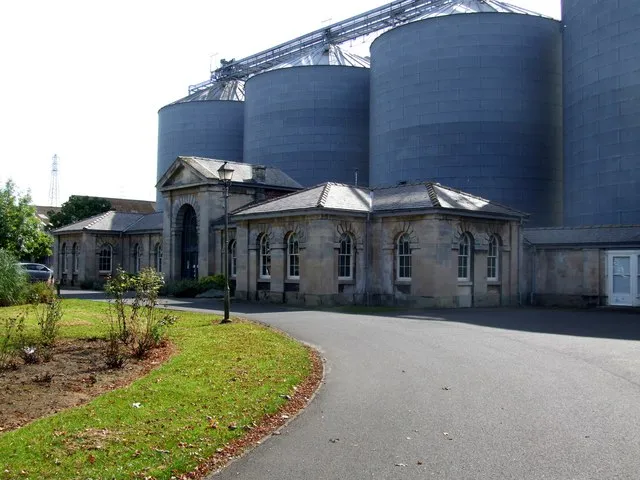
Stamford’s stone streets are a coaching set waiting to happen, and the George is one of the town’s established old inns. Lincolnshire Archives and the local studies collection are the places to look for coach notices, licensing records and newspaper reports. Stamford sat on the Great North Road, so an overnight stop here could be a stage in a much longer journey between London and the north. Check the yard and the passages: old coaching inns often preserve a sense of how vehicles entered, where horses were led, and how travellers were separated from the street. Ask the archivist about carriers’ records as well as coaches; goods and people often moved together.
The Angel Hotel, Bury St Edmunds
Bury St Edmunds has a strong coaching and assize town history, and the Angel sits close to the old streets and the abbey site. Suffolk Archives can help with licences, newspaper runs, borough records and the assize traffic that brought people into town. If an ancestor appears in a court case, a fair or a market, the inn may be where they lodged rather than a place they chose for pleasure. Read the entrance, the windows and the road outside with that in mind. An overnight stay in a town like this is often evidence of obligation: a hearing, a sale, a delivery, a family errand.
The Royal Hop Pole, Tewkesbury
Tewkesbury’s Royal Hop Pole is a reminder that coaching inns were not only for the gentry. The town sat on routes through the Severn valley, and the inn’s long frontage and yard speak of a busy, practical trade. Gloucestershire Archives holds licensing and sessions records, newspaper files and local government material. Ask about victuallers’ licences, coach and carrier timetables, and any surviving innkeeper’s accounts. Then walk the streets around the abbey and the river. A night here could be about hops, horses, a market or a family connection. The point is to let the town’s economy suggest why your ancestor might have stopped.
The Bush Hotel, Farnham
Farnham was a coaching town on the road from London to the south coast, and the Bush has the familiar coaching-inn shape: a frontage that turns its shoulder to the street, a yard behind, and a history of travellers rather than tourists. Surrey History Centre is the place to begin, with licensing records, newspapers, turnpike material and local collections. If your family moved between London and Hampshire or Sussex, an overnight stop at Farnham is plausible and checkable. Look for the stable arch and the yard, then read the road out of town. The old turnpike route is the line your ancestor actually travelled.
How to ask, and what to read
Ring or email the archive before you go. Ask for victuallers’ licences and recognizances, petty sessions, quarter sessions, borough records, newspaper runs, coach and carrier timetables, and any catalogue entries for the inn by name. Be ready to search the innkeeper’s surname as well as your own. If the inn has a local history room or a helpful reception, ask whether any guest books, ledgers or photographs survive — but do not treat a friendly anecdote as proof.
In the building, read the yard before the taproom. Where did coaches enter? Where were horses stabled? Is there a mounting block, a bell, a separate door to the street? In the taproom, look for low beams, settles and old partitions: these are the spaces where servants, travellers and locals were kept apart or thrown together. Outside, find the old road and the turnpike trust boundary if you can. The journey is the context.
An overnight stop is not the whole story. It is a hinge. If you can place an ancestor at an inn on a known date, you can begin to ask better questions: why there, why then, who paid, and where did they go next? That is how a coaching inn stops being a pretty backdrop and becomes a piece of family evidence.