Rung and Recorded: Six Bell Towers Where a Surname Becomes Sound
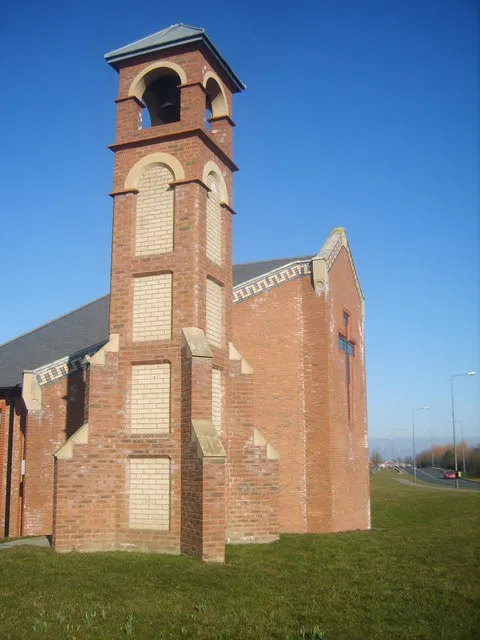
Photo: Michael Graham, CC BY-SA 2.0, via Wikimedia Commons
Bells are not usually the first thing we think of as family history. We think of censuses, certificates, gravestones and the odd letter in a county record office. But a church tower is an archive in alloy and ink. Bell inscriptions record donors, churchwardens, founders and sometimes the ringers themselves. Peal boards list names and dates. Ringing chamber notices and faculty papers can turn a surname into a trade, a pew, a payment or a Tuesday evening habit.
The six towers below are not a definitive list, and a name in a tower is a lead rather than proof. Treat each visit as a slow read. Ask permission, keep out of closed areas, and remember that a working bell tower is not a museum. The reward is a very particular kind of heritage day out: one where your family name might be cast in bronze, chalked on a board or written into a peal book.
Before You Climb: Reading a Tower Like an Archive
Start with the outside. Church guidebooks often mention bells, restorations and donors. Inside, look for peal boards, benefaction boards and notices about ringing practice. In the ringing chamber, inscriptions on the bells themselves may name a founder, a vicar, a churchwarden or a donor. Founders' marks are useful too: Whitechapel, Taylor's of Loughborough and Gillett & Johnston appear in towers across Britain, and their archives can sometimes be searched.
Useful starting points include the Dove's Guide for Church Bell Ringers, the Central Council of Church Bell Ringers, local ringing guilds and county record offices. If an ancestor was a ringer, peal books and practice-night records may mention them. If an ancestor was a donor or churchwarden, search faculty papers, vestry minutes and churchwardens' accounts. A tower visit is often the beginning of a record-office afternoon, not the end of one.
1. St Botolph's, Boston, Lincolnshire
Boston's Stump is hard to miss and easy to underestimate as a family-history stop. The church is open to visitors, and tower tours are usually the way to get higher up. Look for the ringing chamber and any peal boards, then read the guidebook's bell section for restoration names. In a port town like Boston, donors and churchwardens often belonged to merchant families whose names also appear in shipping and customs records.
Ask at the welcome desk whether the tower is open on the day you visit. If it is not, the church interior still rewards a slow read: memorials, brasses and notices can point you back to the tower. Check Lincolnshire Archives for vestry and churchwarden material if a surname starts to repeat.
2. St Mary Redcliffe, Bristol
Redcliffe is a church of merchants, and its bell history fits that world. Tower tours are the practical route into the upper levels, and the ringing chamber is the place to look for peal boards and ringing notices. Do not expect to handle the bells; do expect to read names. A donor's surname on a bell can sit alongside the same surname on a memorial or a charity board.
Bristol's record offices and the church's own guide material can help you test the link. If your family were Bristol merchants, mariners or tradespeople, this is a tower where a bronze inscription may connect to a street, a wharf or a parish outside the church door.
3. St Laurence's, Ludlow, Shropshire
Ludlow's St Laurence is a fine place to practise tower reading without pretending to be a campanologist. The church is generally open to visitors, and tower access is by arrangement or on advertised occasions. Look for peal boards and any bell-restoration notices. In a border town like Ludlow, names on boards can belong to families whose paper trail runs through Shropshire Archives and local wills.
This is a good tower for the notebook approach. Write down the full inscription, the date and the position of the board. Then check the county record office for churchwardens' accounts. A name that appears once in bronze may appear dozens of times in ink.
4. St Peter Mancroft, Norwich
Norwich has a strong ringing tradition, and St Peter Mancroft is one of the city's great churches. Visits to the tower are usually by arrangement, so contact the church or local ringing guild before you travel. The reward is a ringing chamber with the kind of boards and notices that family historians rarely think to check.
Norfolk Record Office is the obvious next stop. Look for peal books, guild records and parish material. If an ancestor was a ringer, the tower may give you a date and a surname; the archive may give you an address and an occupation. That combination is often enough to move a family line forward.
5. St Mary's, Warwick
Warwick's collegiate church is a useful stop because the town itself is full of family-history breadcrumbs: parish records, trade directories and civic memorials. Tower tours and open days are the best way to see the bells and ringing chamber. Look for peal boards and donor inscriptions, then compare the names with the church's guidebook and Warwickshire County Record Office catalogues.
Do not rush the lower levels either. A name on a bell may also appear on a pew plate, a charity board or a memorial. The tower is one part of the church's archive, not the whole of it.
6. St Mary's, Shrewsbury, Shropshire
Shrewsbury's St Mary's is a visitor-friendly church with a rich interior, and tower access is worth asking about directly. The bell chamber and ringing chamber may only be open on certain days, so plan around advertised tours or Heritage Open Days. Look for peal boards, restoration notices and any list of ringers.
Shropshire Archives can take the search further. A surname in a peal board might belong to a shopkeeper, a solicitor or a labourer. That is the point of this kind of visit: the tower does not tell you who your ancestor was. It gives you a place, a date and a sound to test against the paper record.
After the Ringing Stops
A surname in a tower is not a conclusion. It is a prompt. Photograph the inscription, note the board's condition and date, and ask who holds the tower's records. Then go to the county record office with a specific question. The bell may have rung for a donor, a ringer or a churchwarden; the archive will help you work out which.
And if you can, attend a ringing practice or a service when the bells are rung. Family history is often a quiet business of reading. A bell tower adds something rarer: the chance to hear the past making a noise.