Six Names on a Village Green: Walking a War Memorial Back to a Family Address
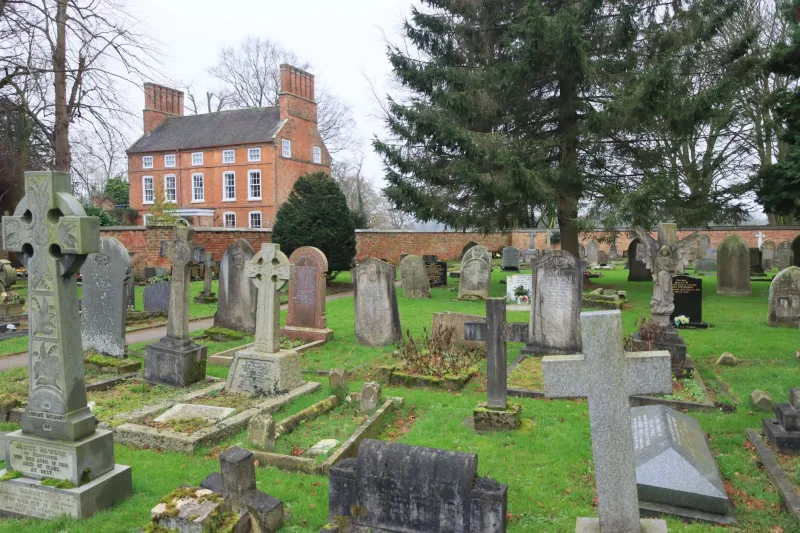
A village war memorial is a peculiar kind of document. It is public, polished and deliberately brief. A surname, one or two initials, sometimes a regiment, often a date. Then a gap. The rest of the life — the lane, the farm, the shop, the chapel — is left off the stone. That is where the walk begins.
Read the Stone Twice
First as a list. Photograph every face of the memorial, not just the panel with your family name on it. Note the whole run of surnames and dates. A cluster of one name in one year can point to a single street or a single employer. A gap between two dates can point to a return, a wound, a second enlistment.
Then read it as a set of directions. A village memorial is usually placed where the village already gathered: the green, the crossroads, the churchyard gate, the mill yard. That placement is a clue in itself. If your ancestor's name sits on a memorial beside the chapel, the chances are the family door was within sight of the chapel.
The Paper Trail Behind the Name
The Commonwealth War Graves Commission is the first stop. Its records are free to search and usually give the service number, regiment, date of death and burial or memorial place. The additional information field is the useful one for family historians: sometimes a parent's name, sometimes a home address, sometimes the name of the school or employer.
Cross-check that against the census returns. For the First World War, the 1911 census is the obvious anchor; the 1921 census can show who survived and who had left. For the Second World War, the 1939 Register is often the bridge between a memorial name and a street. Local newspapers and parish magazines fill in the gaps. A weekly roll of serving men, a harvest festival list, a published letter from the front — all of these turn a carved name into a person with a routine.
Six Walks From Name to Door
These are six patterns, not a definitive tour. Each one starts at a village memorial and ends at a door you can still stand outside.
1. The Cotswold green: Bledington
Take a memorial on a village green in the Cotswolds, the sort of stone cross that faces a pub and a church path. Choose a name. Check the CWGC record for a service number and regiment. Then look for the same surname in the 1911 census for the parish. If the family was on a farm rather than in the village centre, the walk is short: green, church lane, footpath, farm gate. The point is not to find a museum. It is to see the distance between the name on the stone and the kitchen door it left.
2. The mill village: Haworth
In a Pennine mill village, the memorial often stands within sight of the mill chimney or the old weaving sheds. A name from a terrace of back-to-backs can be traced through the census to a specific row. Walk from the memorial to the mill gate, then up the terrace. Notice how quickly the village becomes a hillside. The war memorial lists the dead, but the street layout explains the working day that came before.
3. The Norfolk market green: Burnham Market
A large green with a memorial at one edge gives you a different kind of walk. Here the family may have been in a shop, a smithy or a haulage business. Local newspapers are especially good for market towns: reports of military tributes, fundraising concerts and welcome-home gatherings. Follow the name from the stone to the newspaper column, then from the column to the building. A shopfront that still has its old proportions is as good a family document as a certificate.
4. The Welsh chapel village: Llanuwchllyn
In a Welsh village, the memorial may stand near the chapel rather than the parish church. That changes the records you use. Chapel minutes, Sunday school rolls and parish magazines can name the family long after the census has moved on. The walk is often a short one: memorial, chapel, chapel house, graveyard. Stand at the gate and read the surrounding names. Nonconformist communities kept their own kind of record, and the building itself is part of it.
5. The Scottish estate village: Scone
In a Scottish village tied to an estate, the memorial may include men from the big house, the home farm and the cottages. The CWGC record gives the service details; the valuation rolls and estate papers can give the cottage. Walk from the memorial to the estate road and look for the older cottage rows. The door may now be a different colour, but the relationship between the big house, the farm and the workers' cottages is still legible on the ground.
6. The Devon coastal village: Branscombe
On the coast, a memorial can point to a life that was partly at sea. A name may belong to a coastguard family, a fisherman or a lad who went to sea before he enlisted. Local newspapers and parish magazines often carry the small notices that official records miss. Walk from the memorial down to the harbour or the coastguard cottages. The sea is not background scenery here; it is part of the family's working address.
What to Take, What to Leave
Take a notebook, a phone with the CWGC site open, and a printed map at 1:25,000 if you can. Take the census reference for the street you think is right. Leave the idea that you have to find a famous ancestor. Most memorial names belong to ordinary people, and ordinary is exactly what makes the walk worth doing.
At the end, stand at the door — or where the door was — and look back towards the memorial. That reverse view is the one the family would have known. The stone is not the whole story. It is the index. The walk is how you read the rest.